November 25, 202617 min read
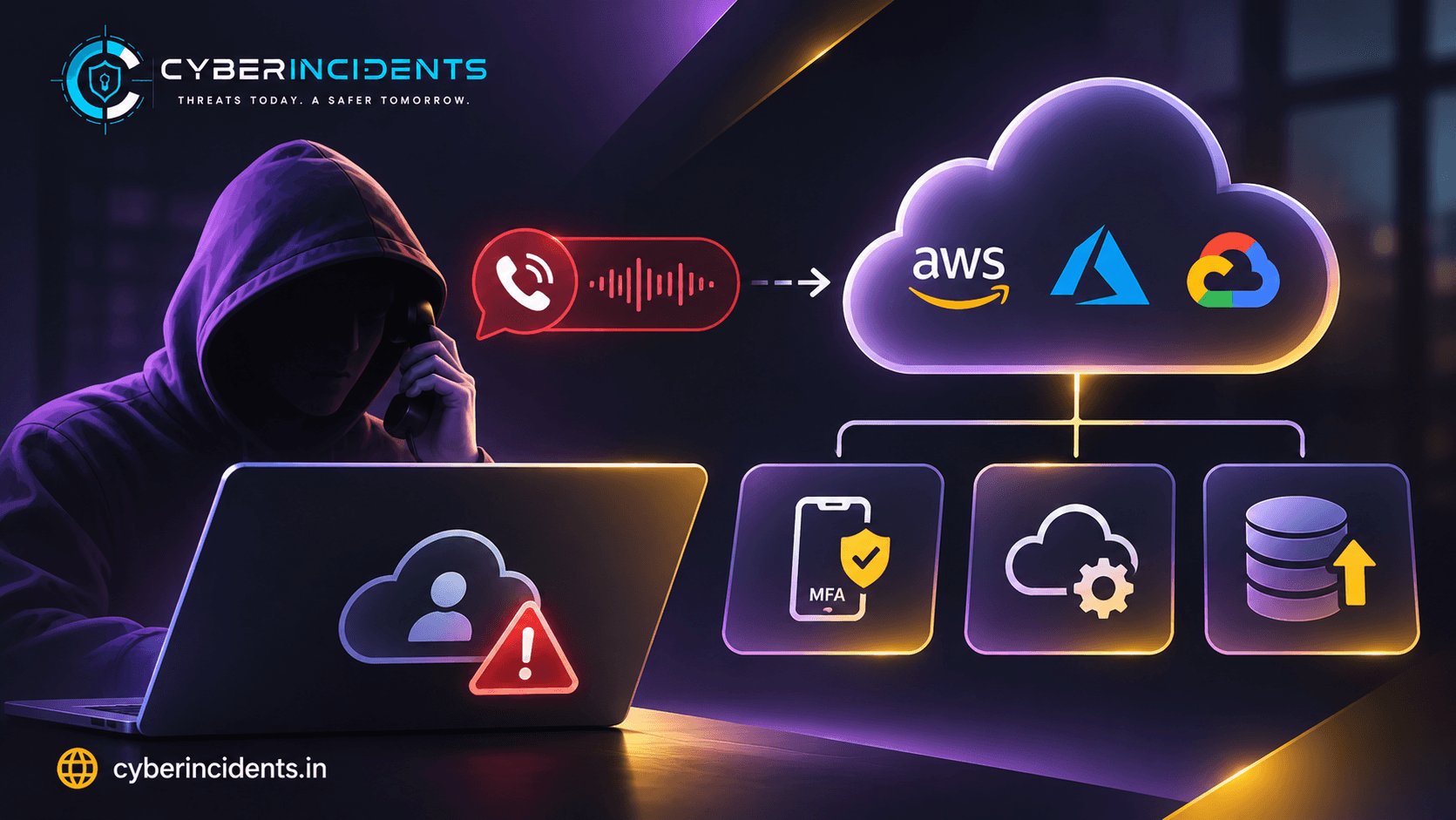
Com-Affiliated Hackers Exploit Vishing and MFA to Hijack Cloud Accounts and Steal Corporate Data
Vishing
Read More→
Latest cybersecurity news, incidents, vulnerabilities, threats, and developments.
36
Articles
Cyber News Intelligence
Vishing
Read More→
Identity Theft and Data Extortion
Read More→
Credentials Compromise
Read More→
RCE vulnerability
Read More→
Artificial Intelligence / Developer Security
Read More→
Linux / Vulnerability
Read More→
Security breach
Read More→
Cyber Espionage / Artificial Intelligence
Read More→
Vulnerability / Endpoint Security
Read More→
Vulnerability / Network Security
Read More→
Identity Security / Artificial Intelligence
Read More→
Vulnerability / Mobile Security
Read More→
Category: Identity Security Secondary Categories: Email Security, Phishing, Cloud Security
Read More→
Category: AI Security Secondary Categories: Supply Chain Attacks, Credential Theft, Prompt Injection
Read More→
Category: Web Security Secondary Categories: Vulnerability Management, Remote Code Execution
Read More→
Category: Web Attacks Secondary Categories: Phishing & Social Engineering, Browser Security, Malware Delivery
Read More→
Category: Supply Chain Attacks Secondary Categories: WordPress Security, Credential Attacks, Web Application Attacks
Read More→
Category: Cloud Attacks Secondary Categories: Supply Chain Attacks, Identity & Credential Attacks
Read More→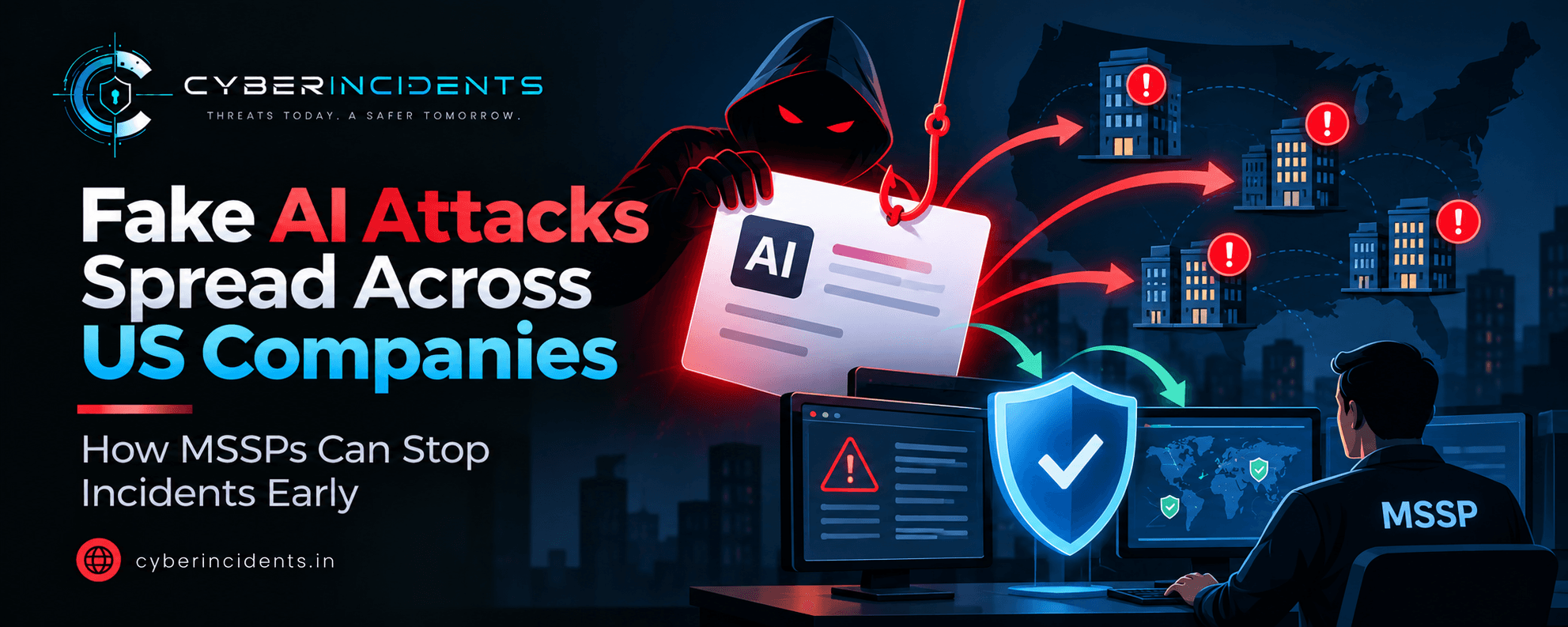
Cybercriminals are impersonating popular AI platforms such as ChatGPT, Claude, Google Gemini, and GitHub Copilot to trick employees into executing malicious commands, downloading malware, and exposing business credentials.
Read More→
On 13 October 2026, malicious packages were discovered in the Arch User Repository (AUR), impersonating popular Arch Linux package-management helpers, yay and paru.
Read More→
A threat activity cluster tracked as UAT-11985 has targeted individuals affiliated with Taiwanese research organisations using convincing fake event invitations and adversary-in-the-middle (AitM) phishing infrastructure.
Read More→
Category: Vulnerability & Exploitation Secondary Categories: Cloud Attacks, Security & Defense
Read More→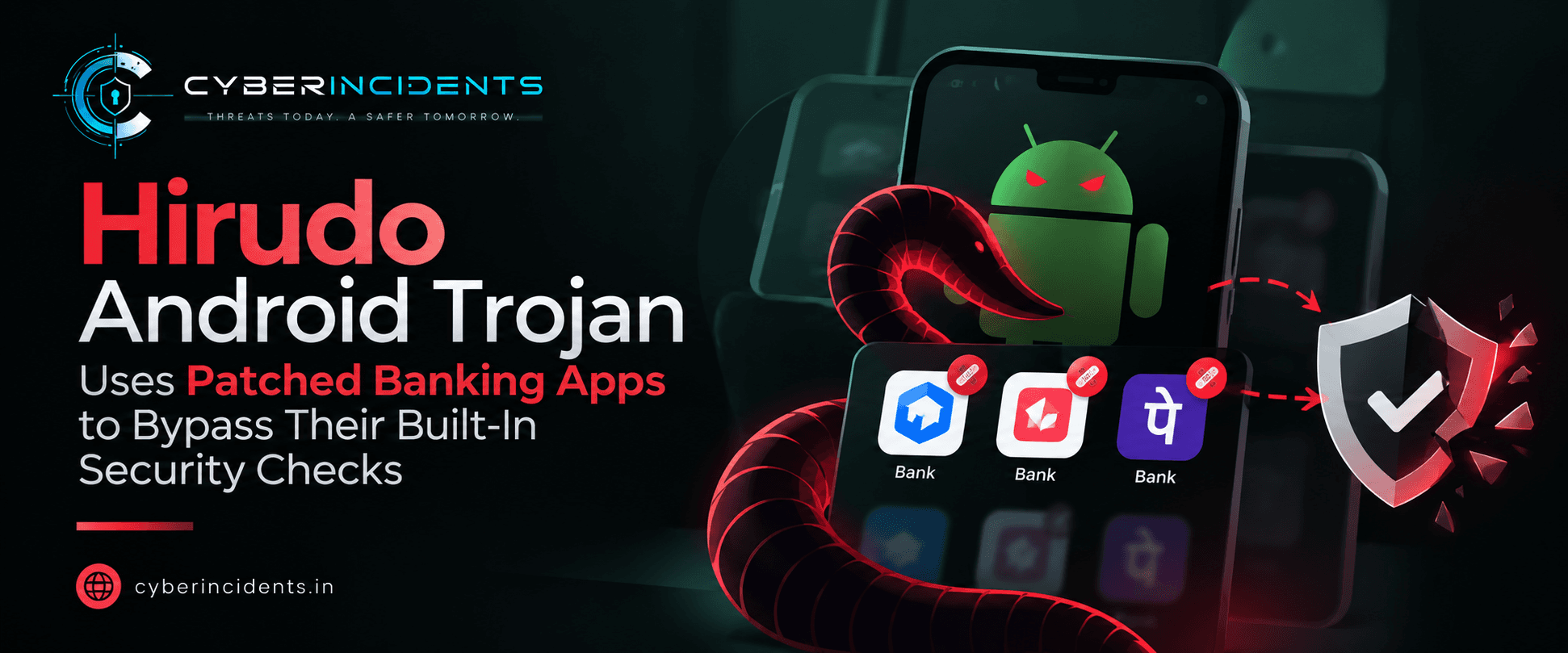
The Hirudo Android banking Trojan exploits patched banking apps to bypass built-in security checks and facilitate malicious financial activity.
Read More→
A newly registered domain, teams-online[.]com, has been reported impersonating Microsoft Teams by reproducing its meeting-join interface. The suspicious page reportedly prompted visitors to enter their name and offered a sign-in option, creating an opportunity to deceive users into interacting with a fraudulent website.
Read More→
A critical vulnerability in Docker Hub, tracked as CVE-2026-105445, that could allow an attacker to impersonate another user at the container registry level by exploiting the handling of personal access tokens (PATs) during account-to-organisation conversion. According to Docker's security advisory, the vulnerability arose because Docker Hub could reassign an existing PAT to a designated organisation owner without rotating the token secret or obtaining the target user's consent. An attacker could potentially use the transferred token with the target user's registry-level identity and permissions. Depending on the token's scope, this could enable unauthorised access to container repositories, including pulling, publishing, or deleting images. Publishing a modified image under a trusted name creates a serious software supply chain risk because downstream users may unknowingly deploy an altered container. Docker reported that it fixed the issue shortly after receiving a vulnerability report on September 30, 2026. The company also stated that its investigation found no evidence of exploitation in the activity it examined.
Read More→
Cybersecurity researchers have uncovered an AI-assisted cybercrime operation attributed to CyberXero, a financially motivated initial access broker that reportedly combined automated attacks against websites with targeted reconnaissance against Ukrainian energy and critical infrastructure organisations. According to research published by SOCRadar in October 2026, the campaign used Claude Code with a collection of specialised AI agents alongside conventional offensive security tools, including Cobalt Strike and the open-source AI penetration-testing framework PentAGI. The investigation identified two distinct operational pipelines: a large-scale campaign targeting WordPress and e-commerce platforms worldwide, and a more selective operation targeting Ukrainian energy and utility organisations. Researchers reported that more than 628,000 records associated with Ukrainian individuals were in the actor's possession. The investigation also uncovered an exposed directory containing AI session logs, exploitation scripts, plaintext tokens, reconnaissance results, and stolen data. The incident highlights an important development in the threat landscape: AI agents can help malicious operators coordinate reconnaissance, exploitation, and post-compromise activities at scale, while conventional vulnerabilities, exposed services, and weak credentials remain critical points of entry.
Read More→
A malware campaign called Midnight Mimosa has been discovered on low-cost Android smartphones, where malicious software is embedded directly into device firmware. According to Bitdefender, the malware can silently install applications, conduct advertising fraud, and turn infected phones into residential proxies. Thousands of devices across more than 150 countries were reportedly affected. The exact point of supply-chain compromise and the identity of those responsible remain unknown.
Read More→
Cybercriminals are abusing Google search advertisements and legitimate Bing redirect URLs to distribute a fake Claude installer targeting macOS users. The campaign, tracked by Push Security under the name Adception, redirects victims through a compromised WordPress website to a fraudulent download page. A copy button on the page secretly replaces Claude's legitimate installation command with a malicious command that downloads a remote payload and executes it through the macOS Z shell. The final payload remains unidentified.
Read More→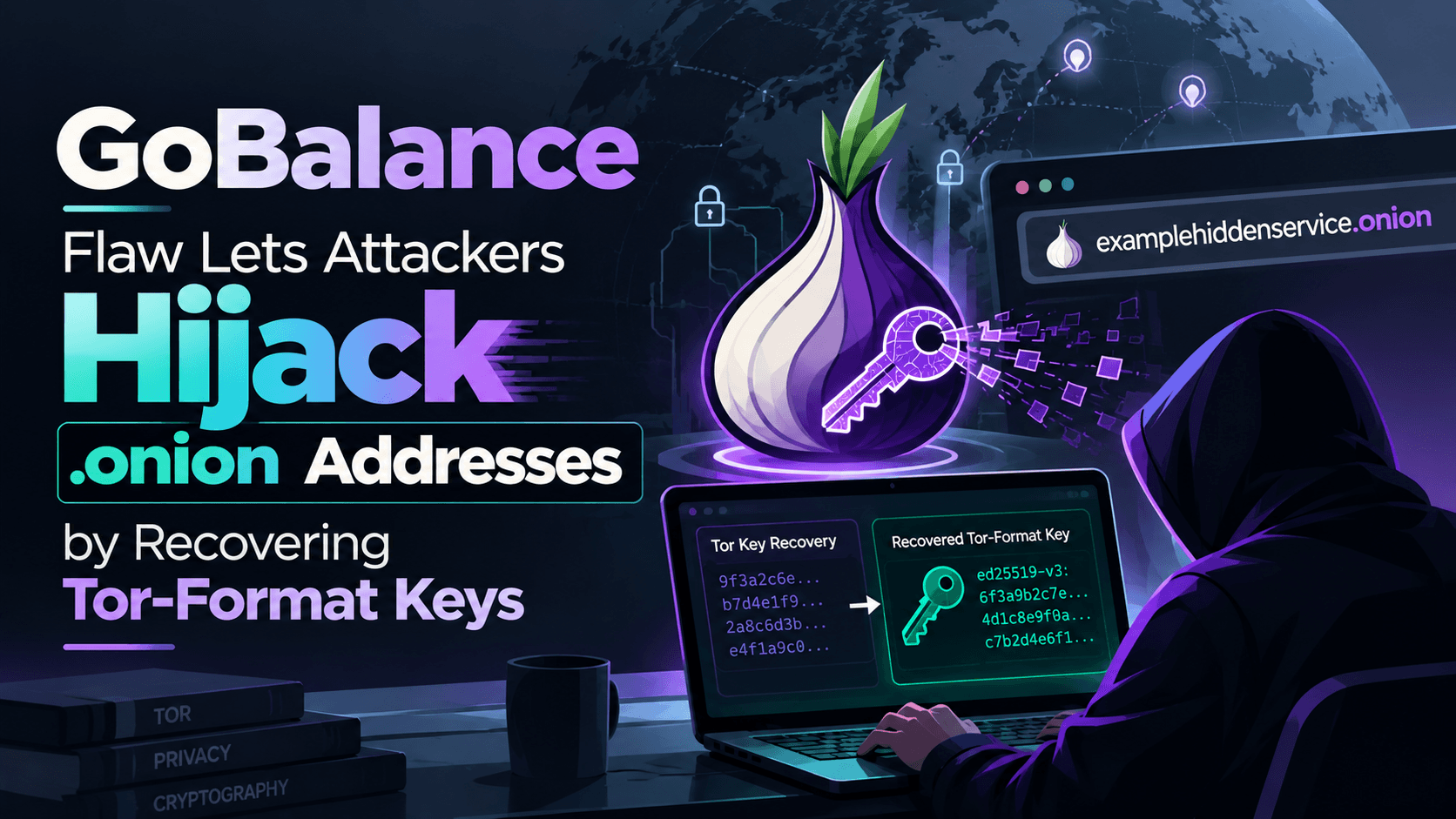
A vulnerability in GoBalance, a Go-based tool used to keep Tor hidden services available during denial-of-service attacks, reportedly allowed attackers to recover private keys from publicly available Tor descriptors. With those keys, attackers could impersonate affected .onion addresses and redirect visitors to sites under their control. The flaw was linked to the October 2026 takeover of Dread forum addresses and an incident affecting the Omega dark-web market. The original Tor Onionbalance implementation and Tor itself are not affected, according to the report.
Read More→
RatHat is an Android banking trojan supported by a malware-as-a-service platform that lets operators build malicious apps, control infected phones, and collect sensitive information. According to Cleafy, newer versions of its control console use Google's Gemini AI to estimate victims' bank balances from stolen messages and prioritize higher-value targets. The malware also abuses Android Accessibility features and wireless debugging to gain deeper control over infected devices.
Read More→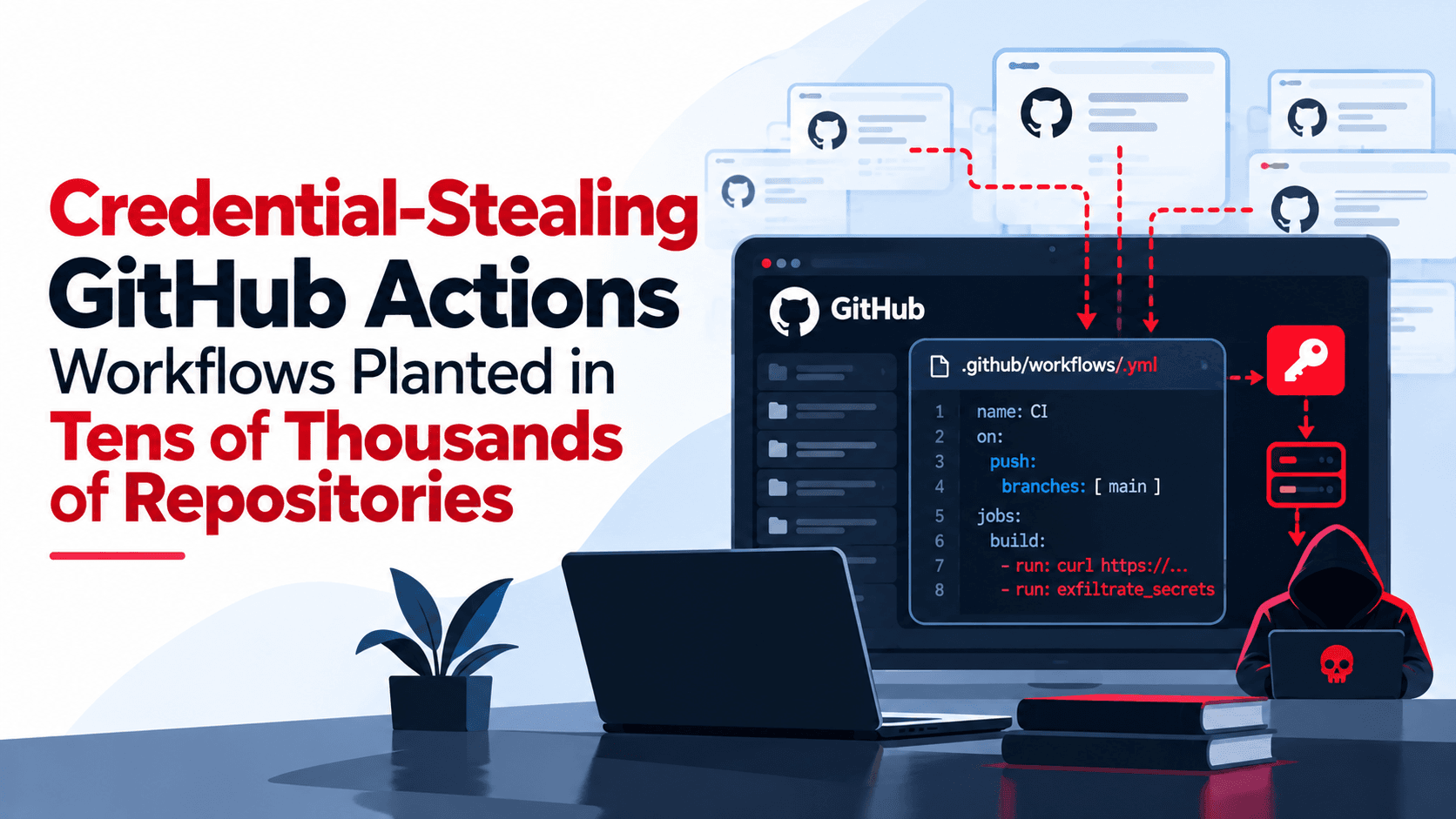
The GhostAction supply-chain campaign has returned with a large-scale credential-theft operation targeting GitHub repositories. Attackers reportedly compromised developer accounts and injected malicious GitHub Actions workflows disguised as security audits. These workflows searched repository files and Git history for sensitive credentials, then exfiltrated the data to an attacker-controlled IP address. More than 500 GitHub accounts have reportedly been linked to the activity, with tens of thousands of repositories potentially affected.
Read More→
Quick Summary A Chinese-speaking threat actor reportedly targeted major South Korean banks, including Shinhan Bank, KB Kookmin Bank, and Hana Bank, using ARTEX AI and Claude Code agents to support cyberattack activities. CrowdStrike linked the activity to AI-assisted penetration testing workflows and uncovered exposed infrastructure containing AI session histories, configuration files, and memory files. The findings reveal how AI tools can accelerate offensive security operations—and how the tools' own records can expose valuable evidence about an attacker.
Read More→
Category: Phishing / Artificial Intelligence
Read More→
Severity: High CVSS: 8.7 Affected Products: Citrix NetScaler ADC & NetScaler Gateway Attack Type: Denial of Service / Possible Remote Code Execution
Read More→
Category: Cybercrime / Data Breach Focus: Threat Intelligence, Cybercrime, Data Theft, Extortion, Cloud Security, Incident Investigation
Read More→
Threat Actor: Warlock / Longlegs / Storm-2603 / Gold Salem
Read More→2 entries, most recent posts.