Guides & Learning
SOC L1 Hands-on Interview Questions with Answers
L1 Interview
9 min read
what it actually means, why it matters, the different fields within it, and how to start learning - Rohith Hari
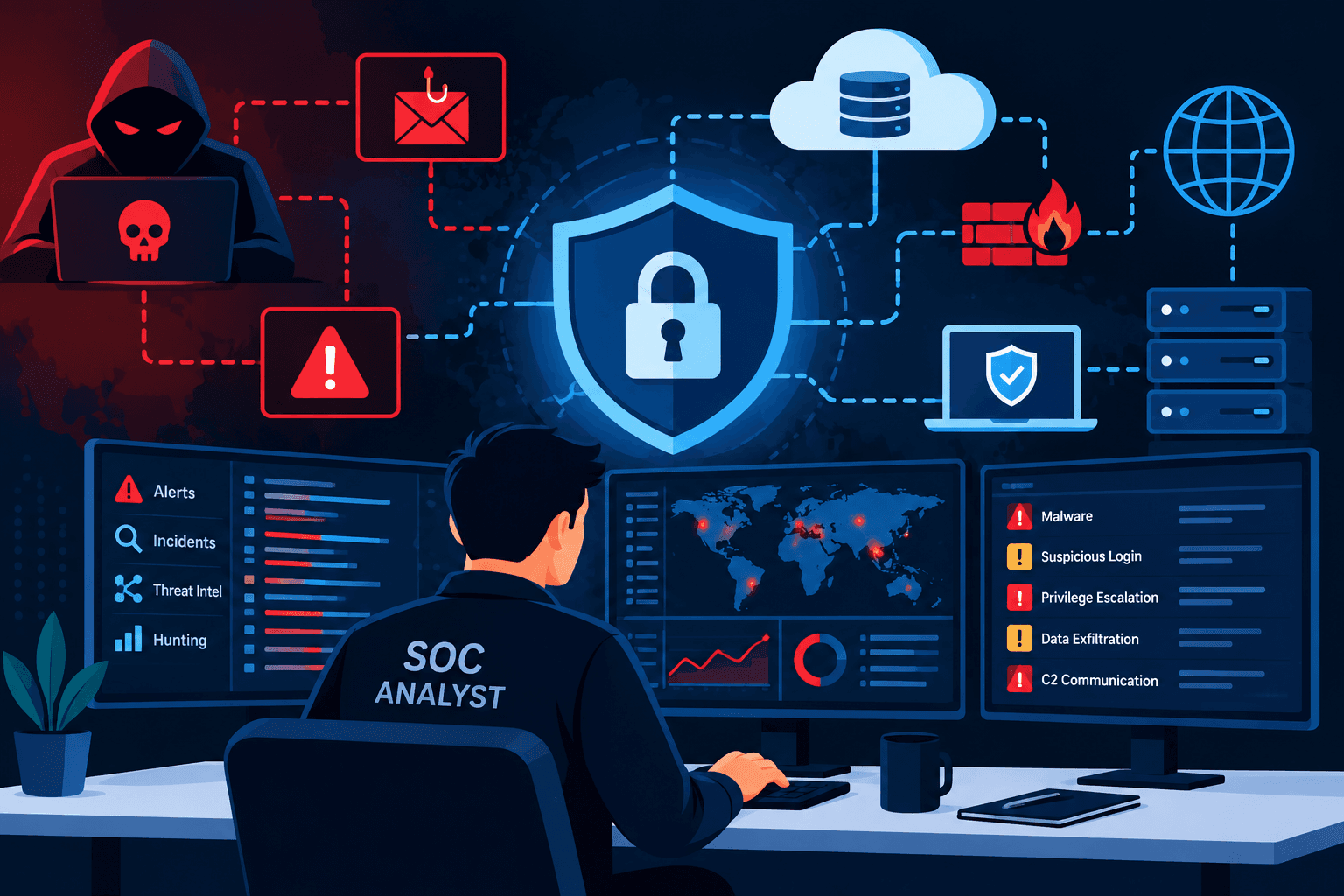
Somewhere right now, a firewall is quietly blocking a scan it will never log as noteworthy. An email filter is deciding, in milliseconds, whether a message is a colleague or a con artist. A SOC analyst is staring at a dashboard, deciding if the alert on their screen is nothing or the first five seconds of a breach that makes headlines. None of this is visible to the average person using their laptop to check email or their phone to order dinner. That invisibility is the point. Cybersecurity, done well, is a discipline you never notice until the day it fails.
Cybersecurity is the practice of protecting systems, networks, devices, and data from unauthorized access, damage, or disruption.
That's the textbook version. The more useful version is this: cybersecurity is the ongoing effort to make sure information ends up only in the hands meant to have it, stays exactly as it was meant to be, and remains available to the people who legitimately need it while a constant, evolving population of attackers tries to break all three of those promises for profit, ideology, or curiosity.
It isn't a single tool, a single job, or a single skill. It's an entire ecosystem of people, processes, and technology working against an equally sophisticated ecosystem of adversaries.
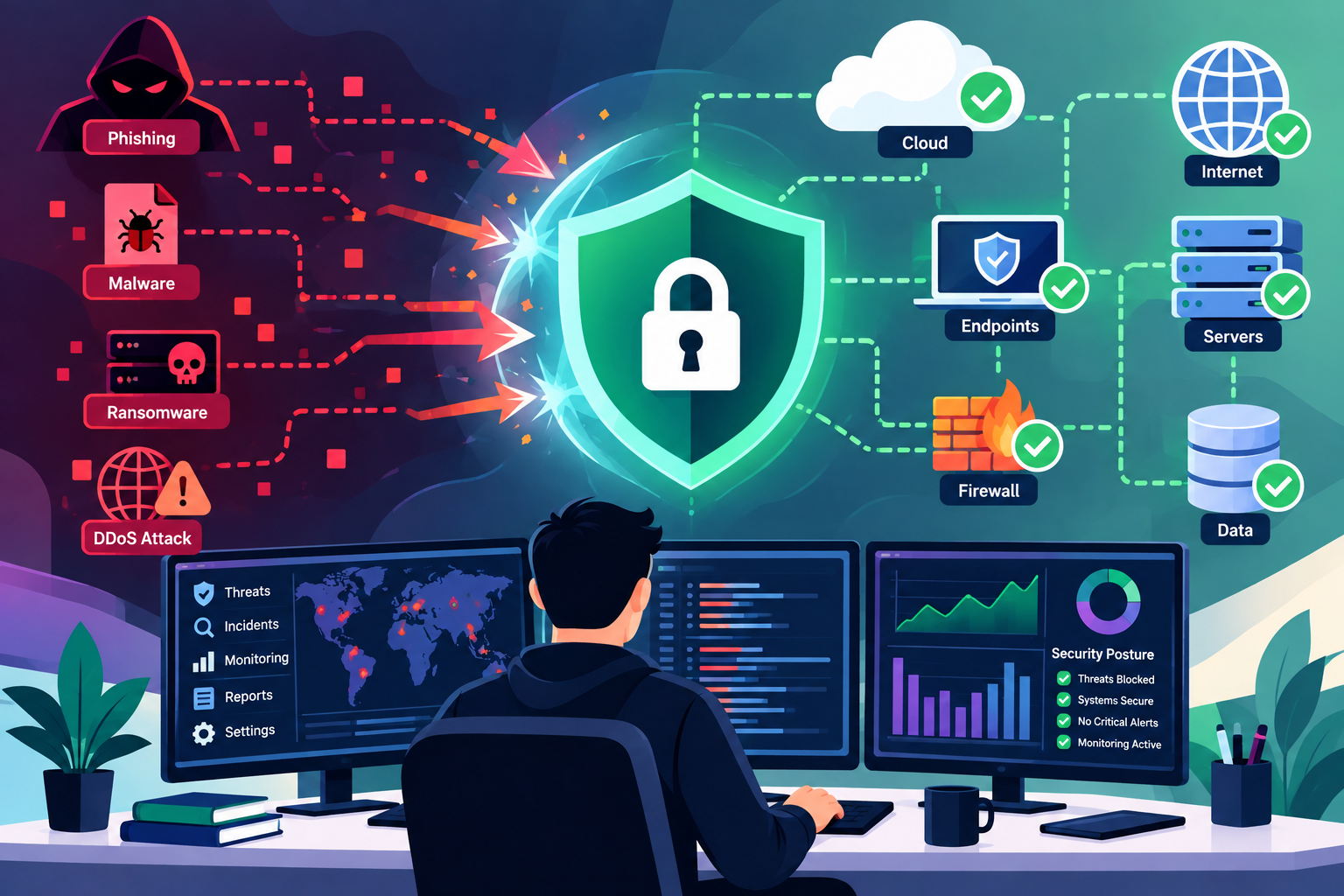
Why Cybersecurity Exists and Why It's Not Optional
Every device connected to the internet is a potential target the moment it connects. Not might be is. Unprotected systems get scanned, probed, and attacked within minutes of going online, often by fully automated tools that don't care who owns the machine.
The stakes scale with what's connected:
• For individuals — stolen identities, drained bank accounts, hijacked accounts, blackmail from leaked personal data.
• For businesses — operational shutdown, regulatory fines, reputational collapse, and increasingly, ransomware payments that can run into the millions.
• For nations critical infrastructure (power grids, water systems, healthcare, financial systems) is now a battlefield, and cyberattacks are a recognized tool of geopolitical conflict.
Cybersecurity isn't a niche IT concern anymore. It's the immune system of the digital world and like a biological immune system, most people only think about it once it's already under attack.
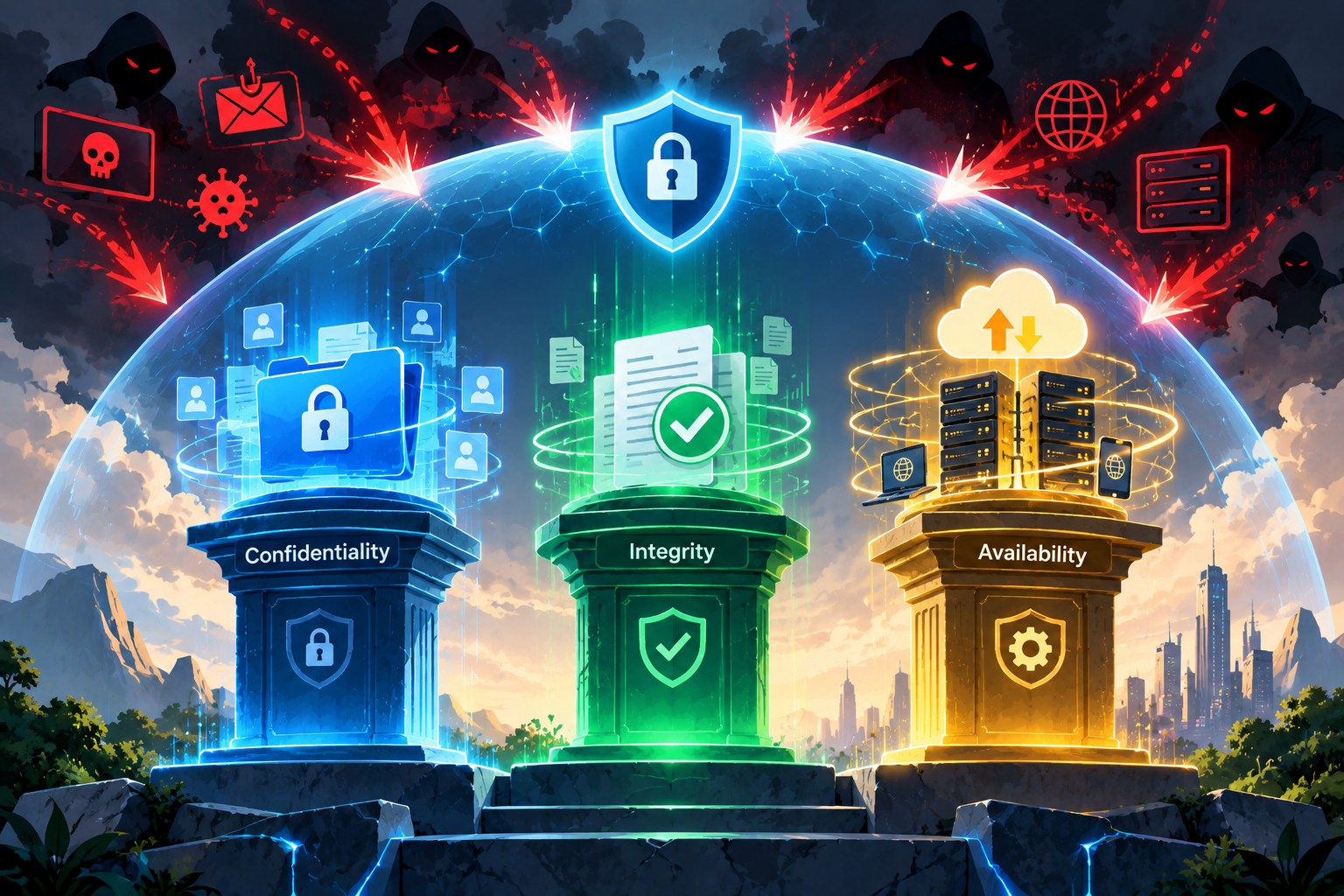
The Three Pillars: What Cybersecurity Is Actually Protecting
Nearly every security decision traces back to protecting one of three properties, known as the CIA Triad:
• Confidentiality — Keeping information private and accessible only to authorized people.
• Integrity — Ensuring information stays accurate and untampered.
• Availability — Ensuring systems and data are accessible when legitimately needed.
Every attack you'll ever read about is, at its core, an attempt to break one of these three. A data leak breaks confidentiality. A defaced webpage breaks integrity. A ransomware lockout breaks availability. Understanding this triad is the single fastest way to make sense of any security incident
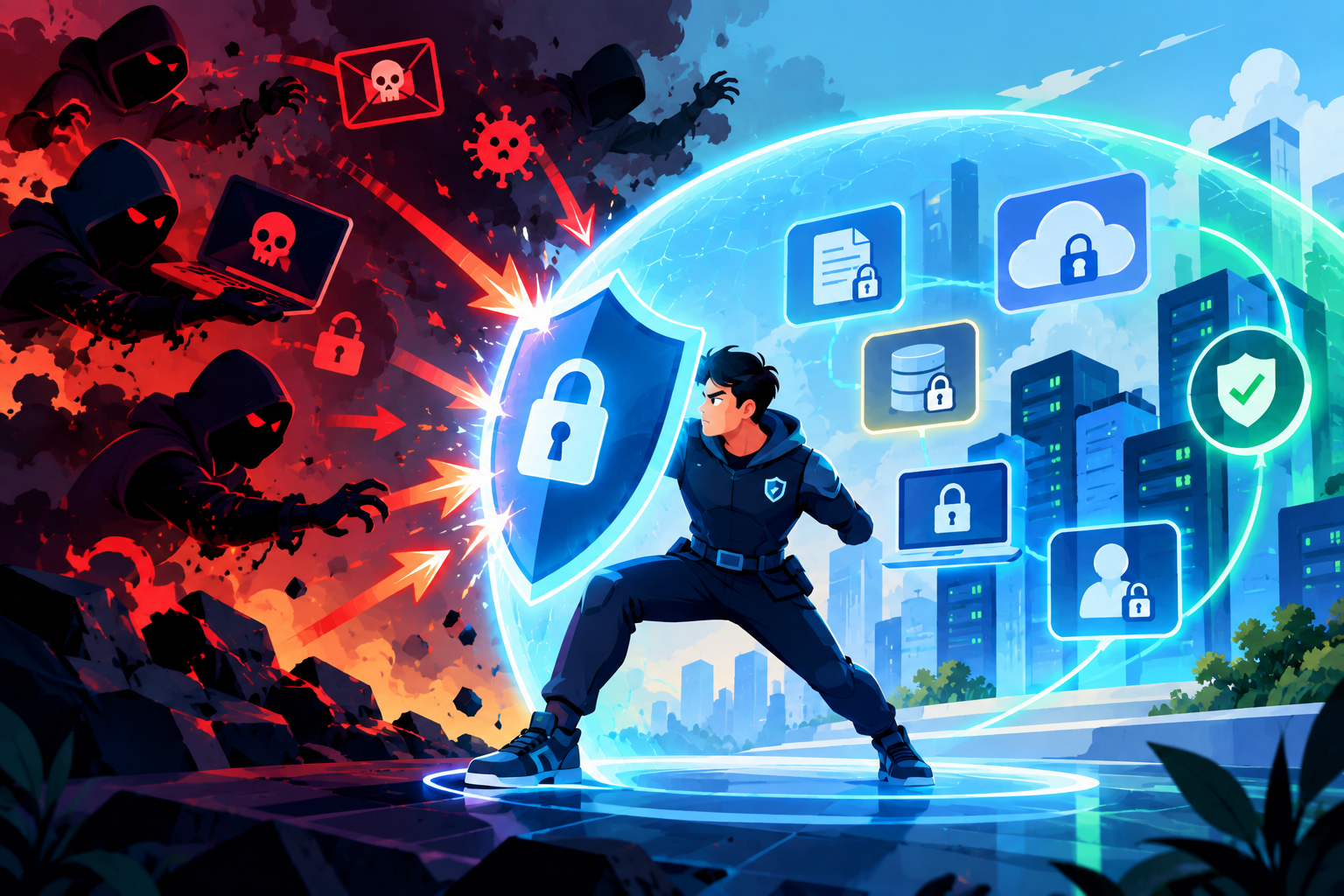
Modern cybersecurity technologies SIEM, EDR, XDR, IAM, encryption, firewalls, threat intelligence, vulnerability management, cloud security, and security automation ultimately exist to support these and related security objectives.
The real value of the CIA Triad is not memorizing three definitions. It is learning to use the model as an analytical tool.
When investigating a vulnerability, designing an architecture, analyzing an incident, writing a detection rule, or assessing a new technology, ask:
What could be disclosed?
What could be changed?
What could become unavailable?
3 entries, most recent posts.
Level: Intermediate
Category: Phishing / Artificial Intelligence

Severity: High CVSS: 8.7 Affected Products: Citrix NetScaler ADC & NetScaler Gateway Attack Type: Denial of Service / Possible Remote Code Execution