Web Attacks
Web Attacks — Introduction Level: Beginner

Web attacks are cyberattacks that target websites, web applications, APIs, web servers, or the underlying components that support them.
Attackers may exploit weaknesses in input validation, authentication, authorization, session management, application logic, or server configuration to steal data, bypass security controls, manipulate applications, or execute unauthorized actions.
Common Web Attacks
AttackWhat happens?SQL Injection (SQLi)Malicious input is used to manipulate database queriesCross-Site Scripting (XSS)Malicious script is injected into web pages viewed by usersCSRFA victim is tricked into performing an unwanted authenticated actionSSRFA vulnerable server is abused to make requests to unintended systemsRCEAn attacker causes the server to execute unauthorized commands or codeFile InclusionAn application is tricked into loading unintended filesAuthentication AttacksWeaknesses in login mechanisms are exploitedSession AttacksSession tokens or session management weaknesses are abusedAPI AttacksAPIs are abused through authorization, validation, or logic weaknessesPath TraversalAttackers attempt to access files outside the intended directoryHow Web Attacks Usually Happen
A simplified attack chain looks like:
Reconnaissance → Find vulnerability → Send crafted request → Application processes it → Security control is bypassed → Data/action/system is compromised
Why Web Attacks Are Dangerous
A successful web attack can result in:
- Unauthorized access
- Data theft
- Account takeover
- Database compromise
- Website defacement
- Malware deployment
- Sensitive information exposure
- Server compromise
How Organizations Defend Against Web Attacks
Common controls include:
- Secure coding practices
- Strong authentication and authorization
- Input validation
- Output encoding
- Parameterized database queries
- Web Application Firewalls (WAF)
- API security controls
- Vulnerability scanning and penetration testing
- Secure configuration and patching
- Application and server logging
- Continuous security monitoring
Key Takeaway
Web attacks exploit weaknesses in the way applications process requests, data, users, and permissions.
A simple way to remember the concept:
Attacker → Malicious request → Vulnerable web application → Unauthorized result
Latest posts
3 entries, most recent posts.
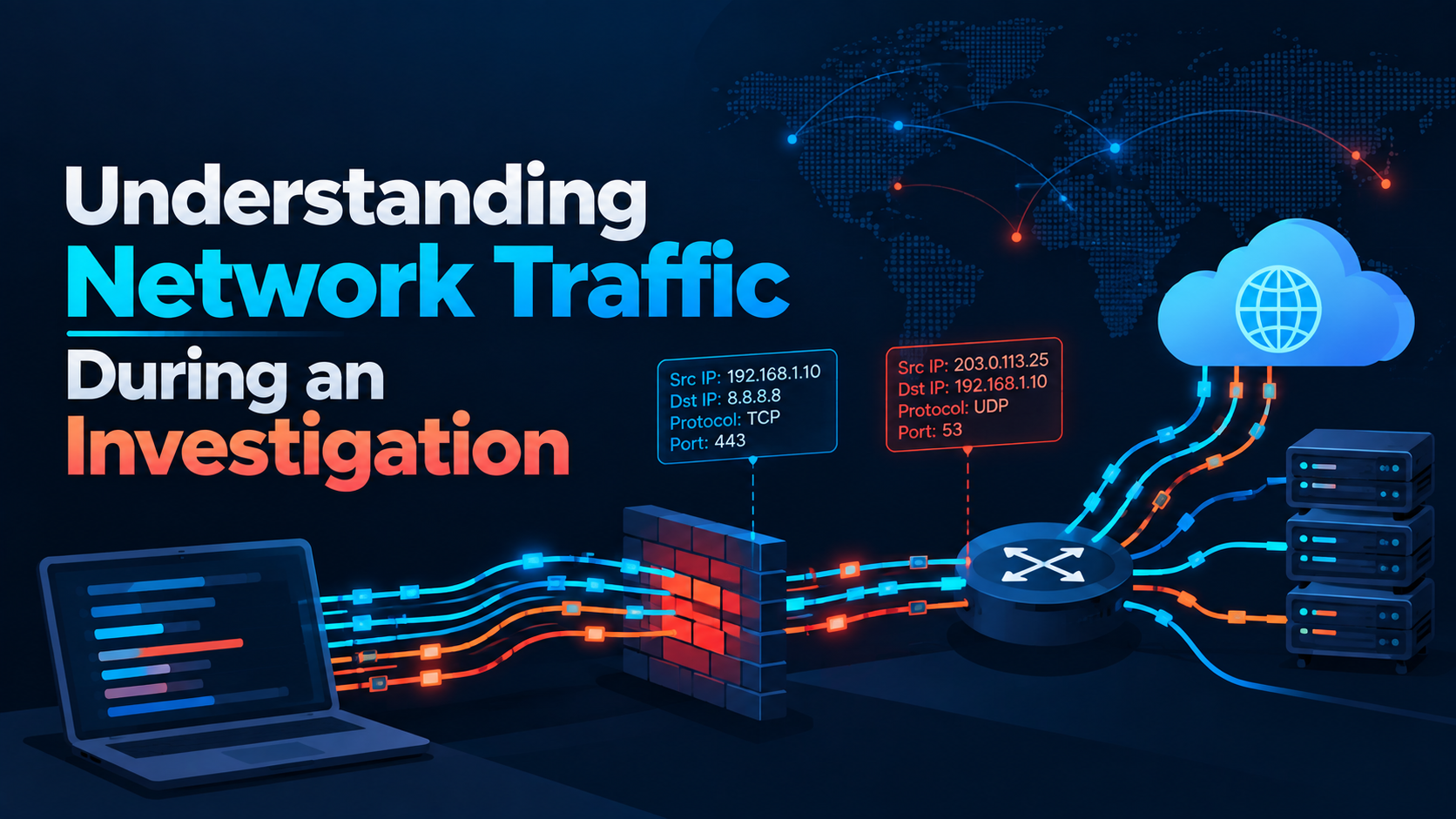
Understanding Network Traffic During an Investigation
Level: Intermediate
Fake ChatGPT, Gemini, and Claude Ad Portals Capture Credentials and MFA Codes
Category: Phishing / Artificial Intelligence

Citrix patches NetScaler SAML zero-day exploited in attacks
Severity: High CVSS: 8.7 Affected Products: Citrix NetScaler ADC & NetScaler Gateway Attack Type: Denial of Service / Possible Remote Code Execution