October 25, 20267 min read
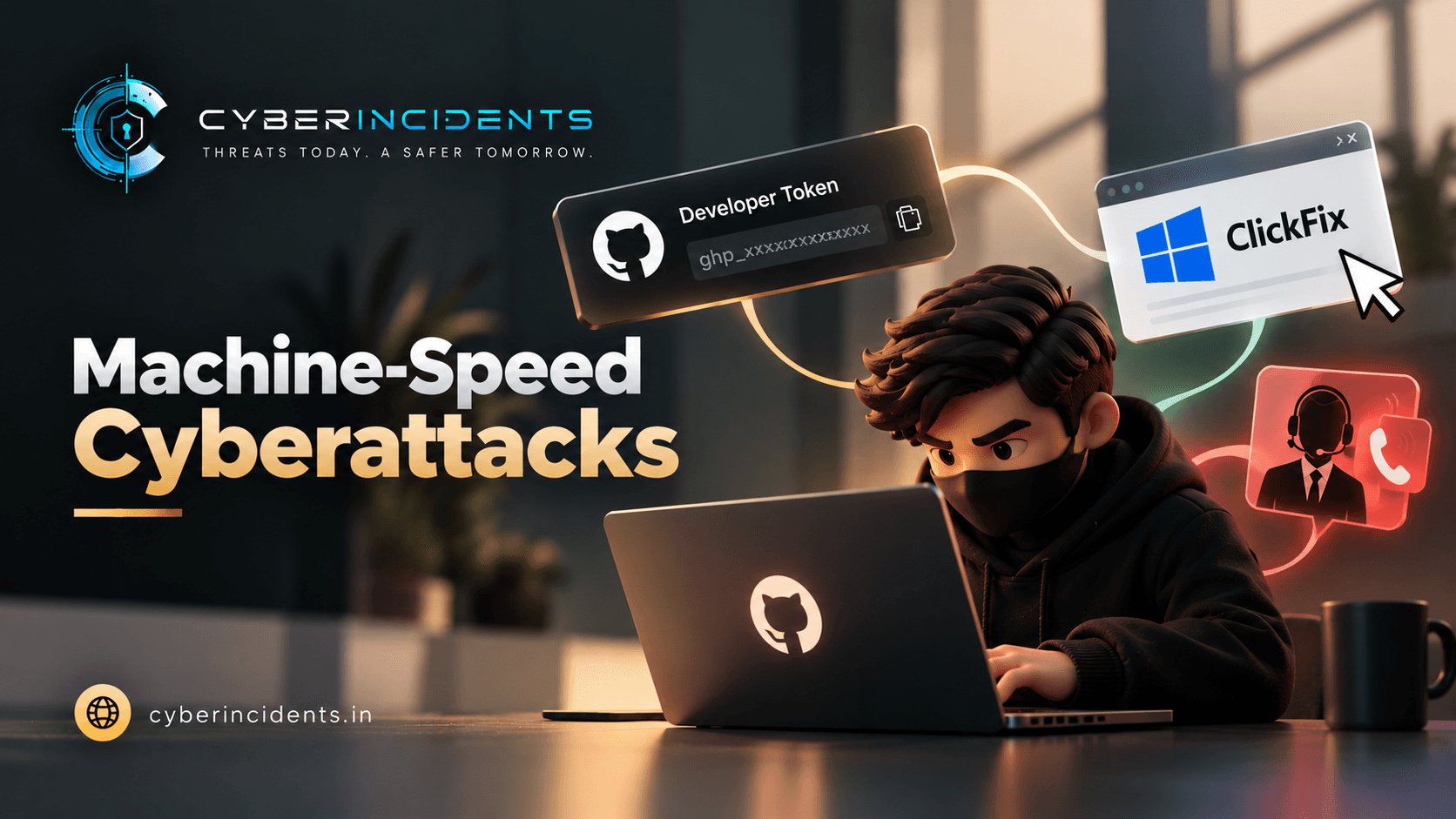
Machine-Speed Cyberattacks: Stolen Developer Tokens, ClickFix Malware and Help Desk Vishing
Category: Identity & Credential Attacks Secondary Categories: Cloud Attacks, Malware & Trojans, Supply Chain Attacks
Read More→
7
Articles
Identity & Credential Attacks
Category: Identity & Credential Attacks Secondary Categories: Cloud Attacks, Malware & Trojans, Supply Chain Attacks
Read More→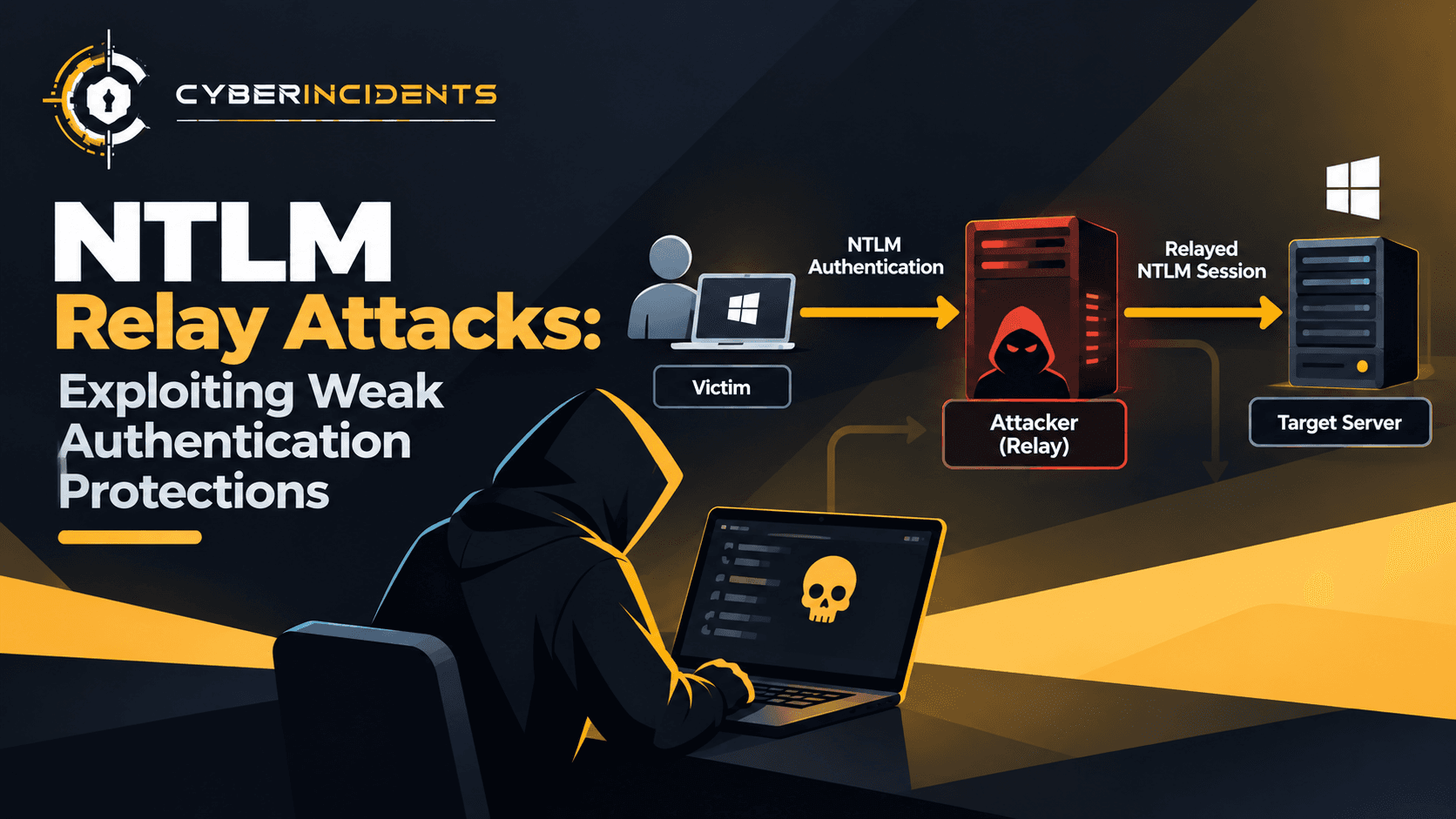
NTLM relay attacks exploit weaknesses in authentication workflows by forwarding a legitimate user's NTLM authentication exchange to another service. Rather than cracking a password or necessarily stealing password hashes for offline use, an attacker attempts to reuse an authentication exchange against a target that accepts it.
Read More→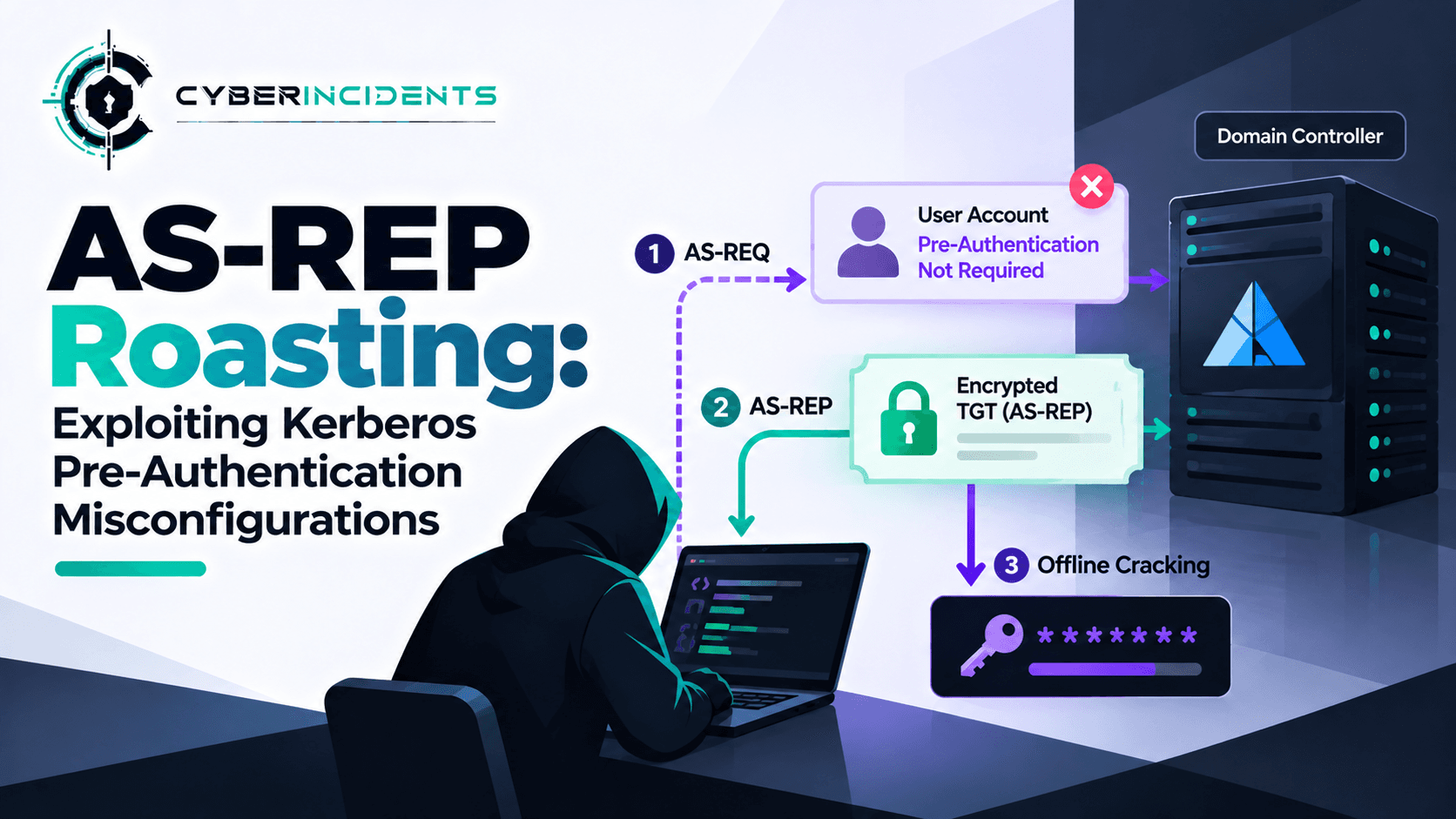
AS-REP Roasting is an Active Directory attack technique that targets user accounts configured not to require Kerberos pre-authentication. An attacker can request authentication data for a vulnerable account and attempt to crack the captured material offline to recover the account's password.
Read More→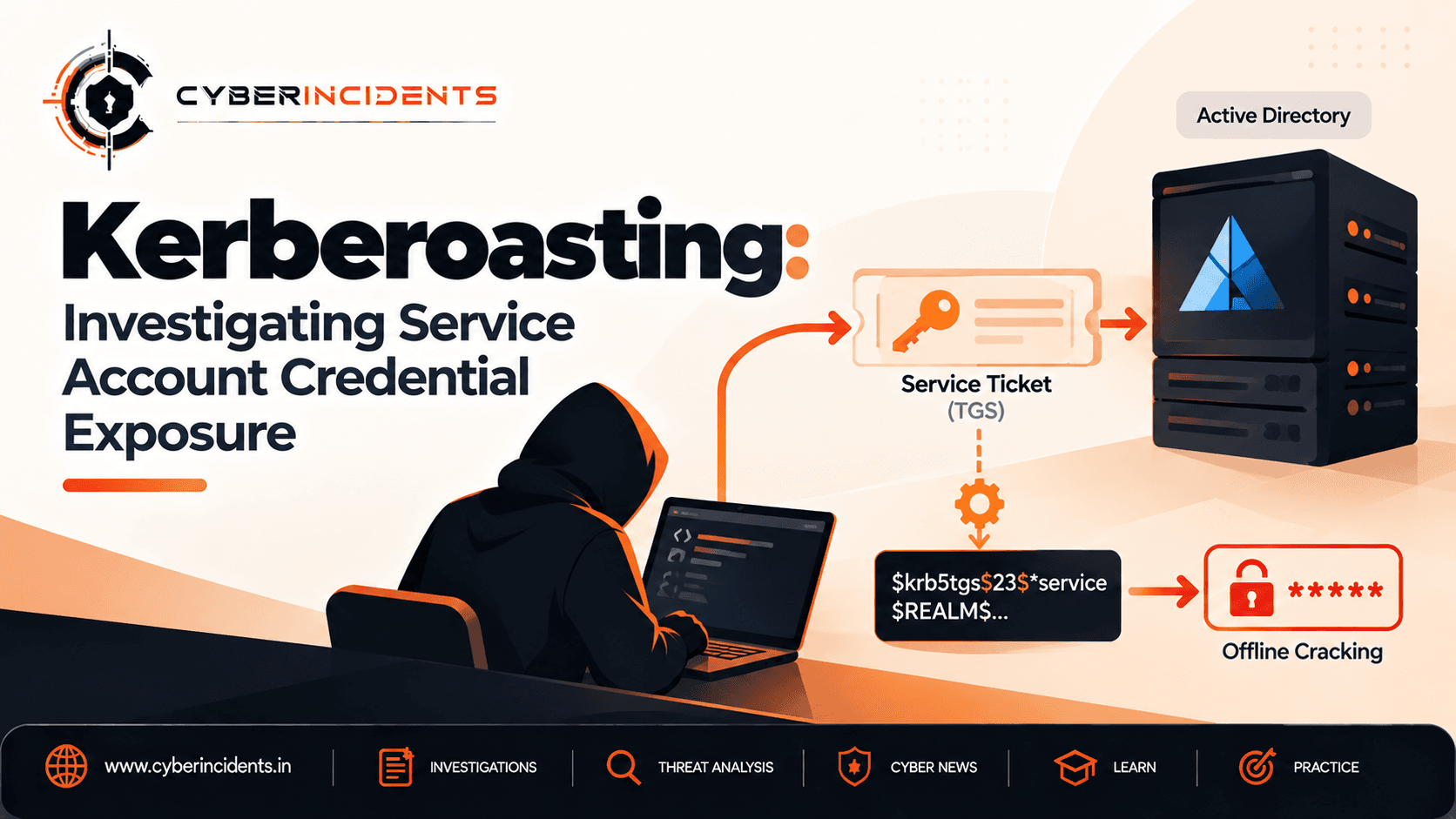
Kerberoasting is an Active Directory attack technique in which an attacker requests Kerberos service tickets for accounts associated with Service Principal Names (SPNs) and attempts to crack the tickets' encrypted portions offline to recover the associated service account passwords.
Read More→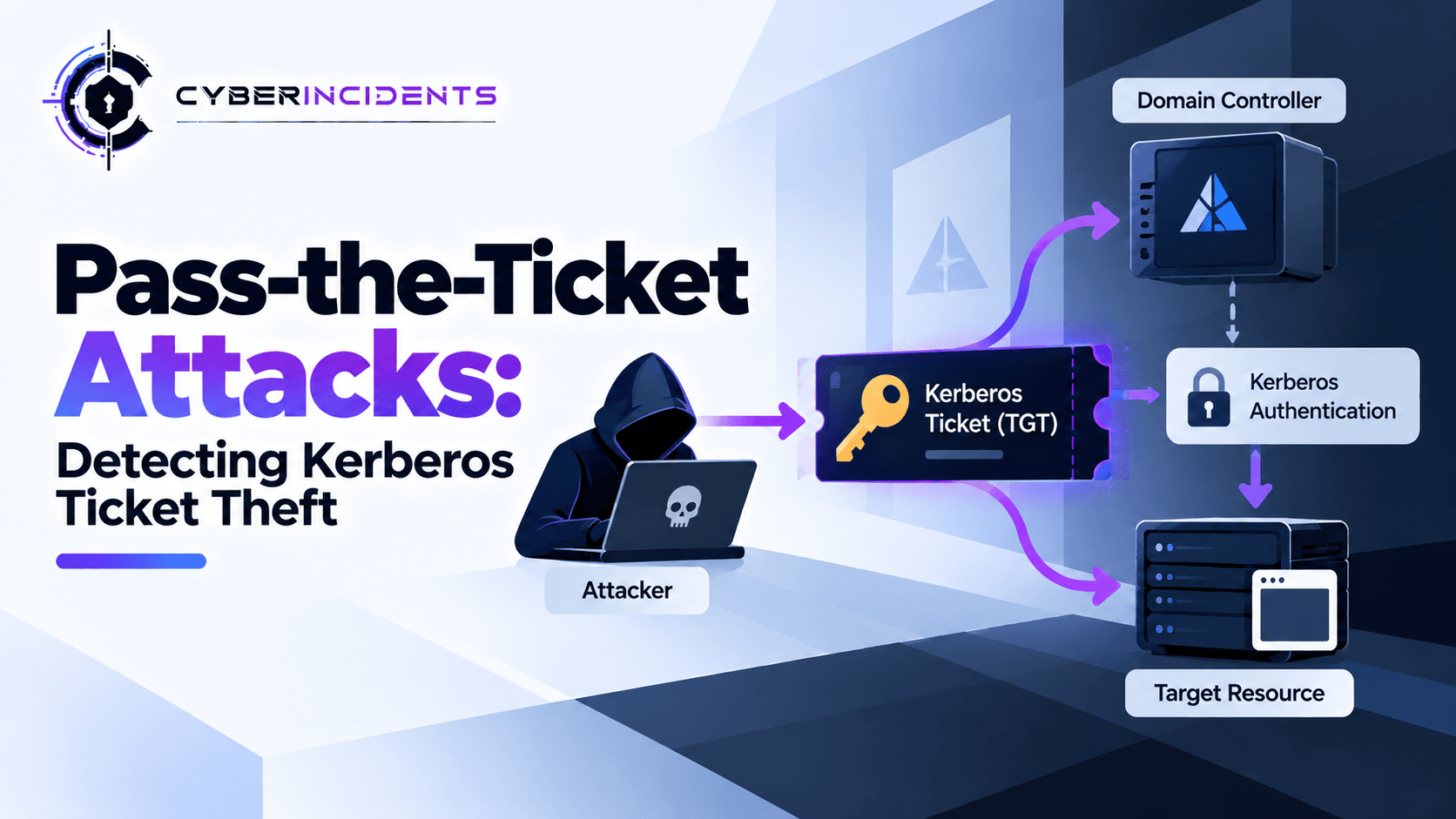
Pass-the-Ticket (PtT) is a credential abuse technique in which an attacker steals and reuses Kerberos tickets to authenticate to network resources without necessarily knowing the account's plaintext password. The technique is particularly relevant to Windows Active Directory environments, where Kerberos is commonly used for domain authentication.
Read More→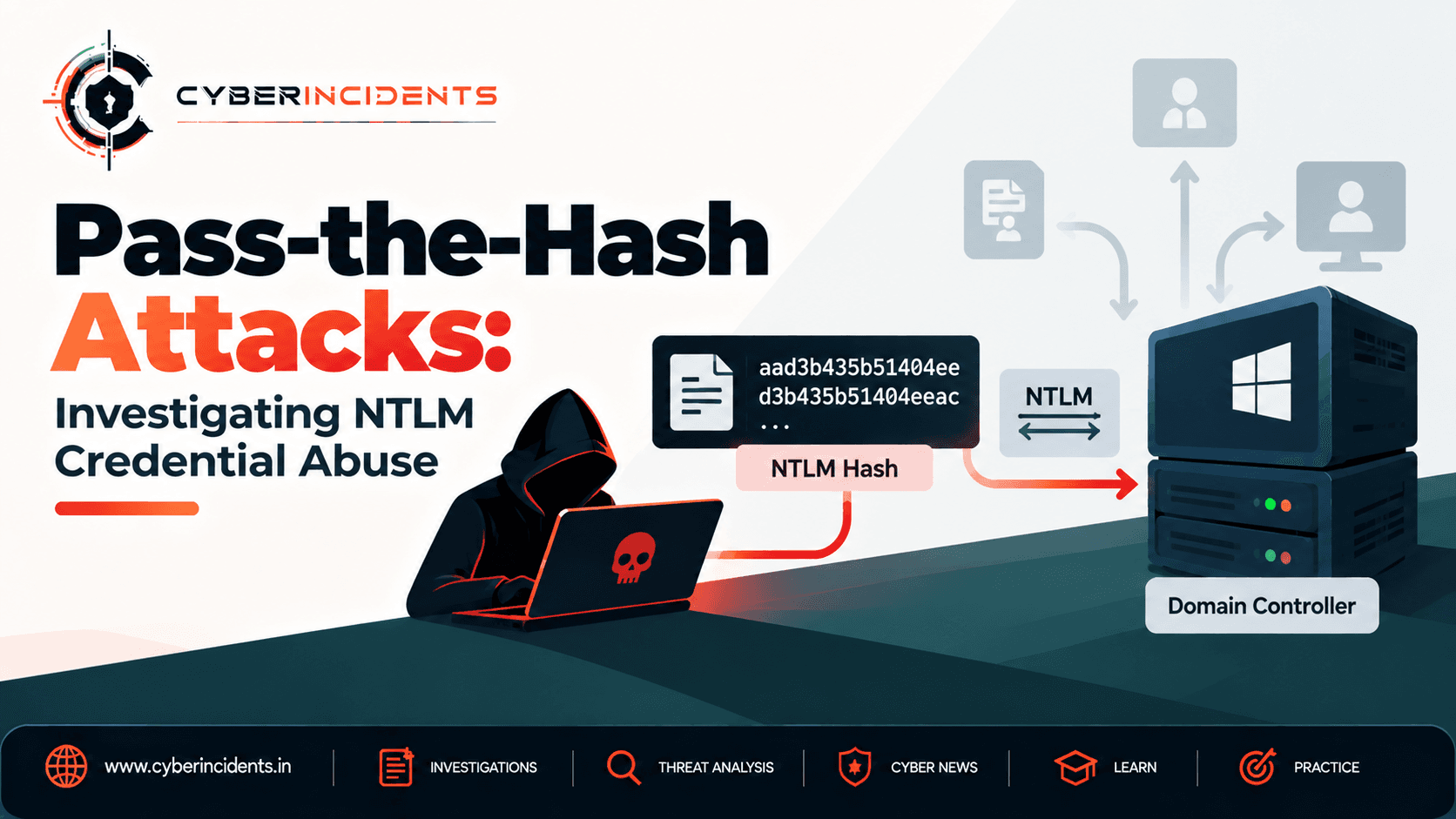
Pass-the-Hash (PtH) is an authentication attack in which an attacker uses a user's password hash to authenticate to a system without necessarily recovering the user's plaintext password. The technique is particularly relevant in Windows environments that support NTLM authentication and where attackers have obtained credential material from a compromised endpoint.
Read More→
Identity & Credential Attacks understand the Basics Level: Beginner
Read More→3 entries, most recent posts.
Vishing

Identity Theft and Data Extortion

AI-Assisted Autonomous Intrusions