Insider Threats
Level: Beginner

An insider threat occurs when someone with legitimate access to an organization's systems, applications, or data uses that access in a way that creates a security risk.
The person may be an employee, contractor, partner, administrator, or other trusted individual.
Unlike an external attacker, an insider may already have valid credentials and authorized access, making the activity harder to identify.
Types of Insider Threats
1. Malicious Insider
A malicious insider intentionally abuses their access to harm the organization.
For example, an employee might deliberately:
Steal confidential data
Delete important files
Share sensitive information
Sell company information
Disrupt systems
2. Negligent Insider
A negligent insider does not intentionally want to cause harm but makes a mistake that creates a security risk.
Examples include:
Sending sensitive information to the wrong person
Clicking a malicious link
Using an insecure device
Accidentally exposing confidential files
Sharing credentials
3. Compromised Insider Account
Sometimes the actual employee is not malicious at all.
An attacker may compromise an employee's account through phishing, credential theft, malware, or password attacks and then use the legitimate account to access company resources.
This can make the attack appear to be normal employee activity.
Common Insider Threat Activities
An insider threat may involve:
Unauthorized data access
Data exfiltration
Privilege abuse
Unauthorized software installation
Suspicious file transfers
Sharing credentials
Accessing systems outside normal responsibilities
Deleting or modifying important information
Using unauthorized cloud storage or applications
Why Insider Threats Are Dangerous
Insider threats are difficult to detect because the user may already have legitimate access.
For example:
Normal user → Authorized login → Access to sensitive data
The same access can potentially be abused:
Insider → Authorized login → Unusual data access → Data theft
Traditional security controls may not immediately block the activity because the authentication itself is legitimate.
How Organizations Detect Insider Threats
Security teams can monitor for unusual behavior such as:
Large amounts of data being downloaded
Access to unusual systems or files
Login activity outside normal patterns
Access to sensitive information without a business need
Unusual USB or file-transfer activity
Sudden changes in account behavior
Excessive privilege usage
Connections to unusual external services
Organizations may use SIEM, EDR, Data Loss Prevention (DLP), User and Entity Behavior Analytics (UEBA), and identity monitoring to identify suspicious activity.
How to Prevent Insider Threats
Organizations can reduce insider-threat risk through:
Least-privilege access
Strong authentication and MFA
Regular access reviews
Privileged Access Management (PAM)
Data Loss Prevention (DLP)
Security awareness training
Monitoring sensitive data access
Separation of duties
Proper employee offboarding
Continuous security monitoring
A Simple Example
Imagine an employee has access to a company's customer database.
Normally:
Employee → Authorized access → Performs assigned work
But if the employee downloads thousands of customer records and transfers them to a personal storage account:
Employee → Authorized access → Unusual data access → Data exfiltration
The login itself may be legitimate, but the behavior is suspicious.
Insider Threat vs External Threat
Insider ThreatExternal ThreatOriginates from someone with legitimate accessOriginates from outside the organizationMay use valid credentialsOften needs to obtain access firstCan be difficult to distinguish from normal activityMalicious activity may be easier to identifyCan involve employees, contractors or compromised accountsUsually involves external attackersKey Takeaway
An insider threat is not always a malicious employee.
It can involve intentional misuse, accidental mistakes, or a legitimate account that has been compromised.
Organizations therefore need to protect not only their systems but also monitor how users, accounts, and privileged identities behave.
In simple terms:
Trusted access + suspicious or harmful behavior = potential insider threat
Latest posts
3 entries, most recent posts.
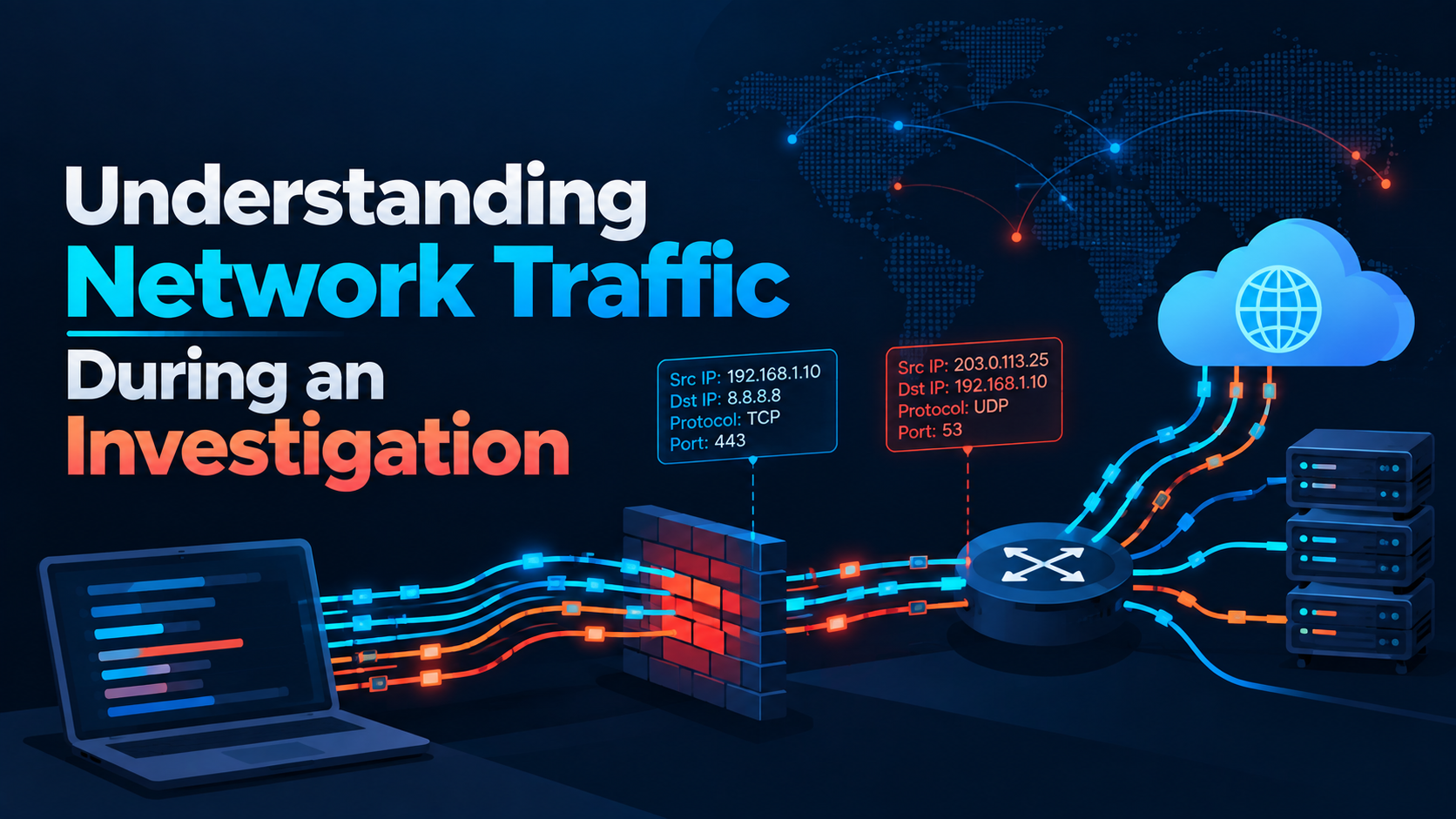
Understanding Network Traffic During an Investigation
Level: Intermediate
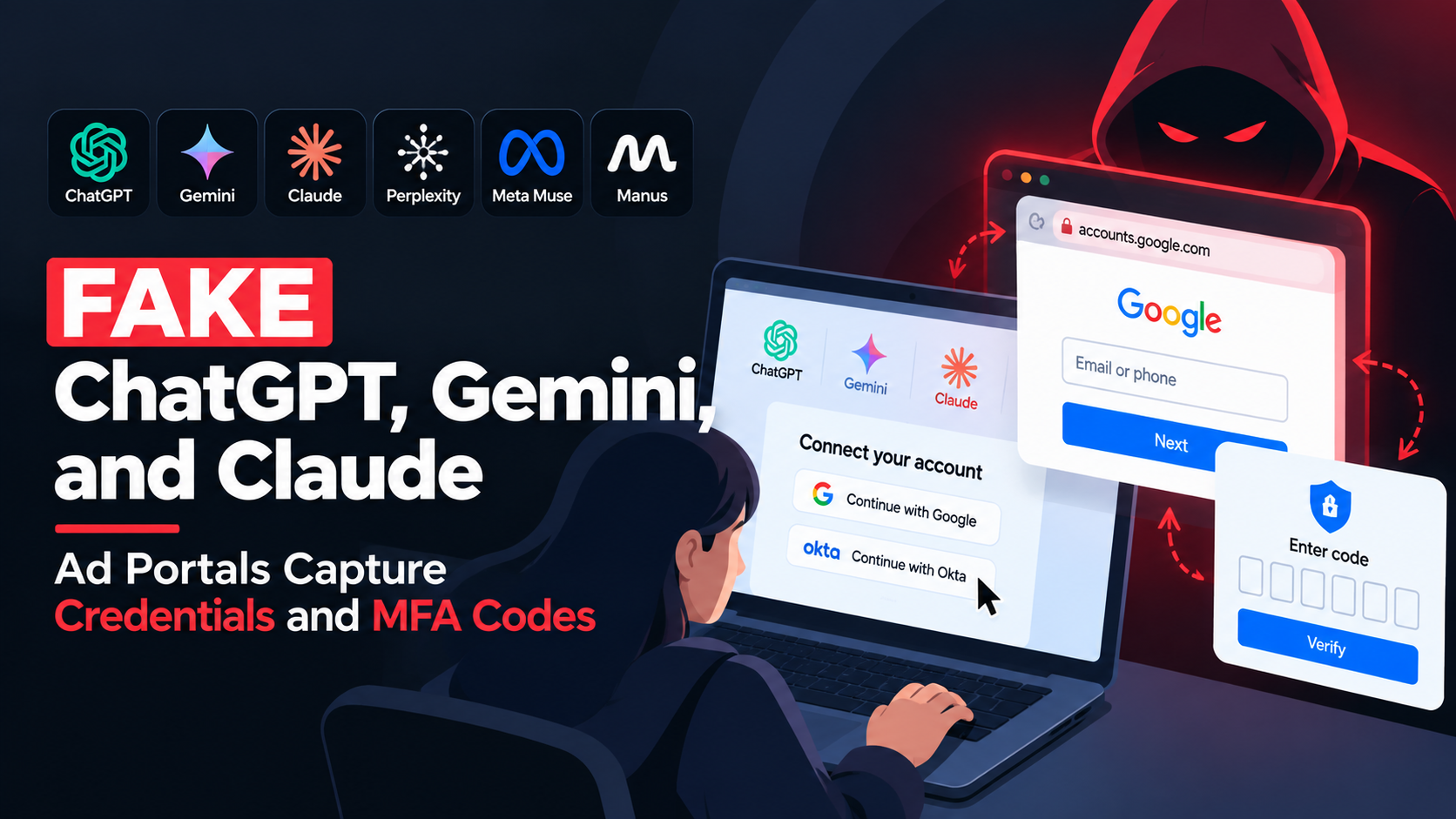
Fake ChatGPT, Gemini, and Claude Ad Portals Capture Credentials and MFA Codes
Category: Phishing / Artificial Intelligence
Citrix patches NetScaler SAML zero-day exploited in attacks
Severity: High CVSS: 8.7 Affected Products: Citrix NetScaler ADC & NetScaler Gateway Attack Type: Denial of Service / Possible Remote Code Execution