CyberIncidents Logo
[ 00 ]Specialized Topic

Phishing & Social Engineering

6

Articles

Phishing & Social Engineering

Latest Articles

QR Code Phishing (Quishing): How Attackers Steal Credentials
October 11, 202612 min read

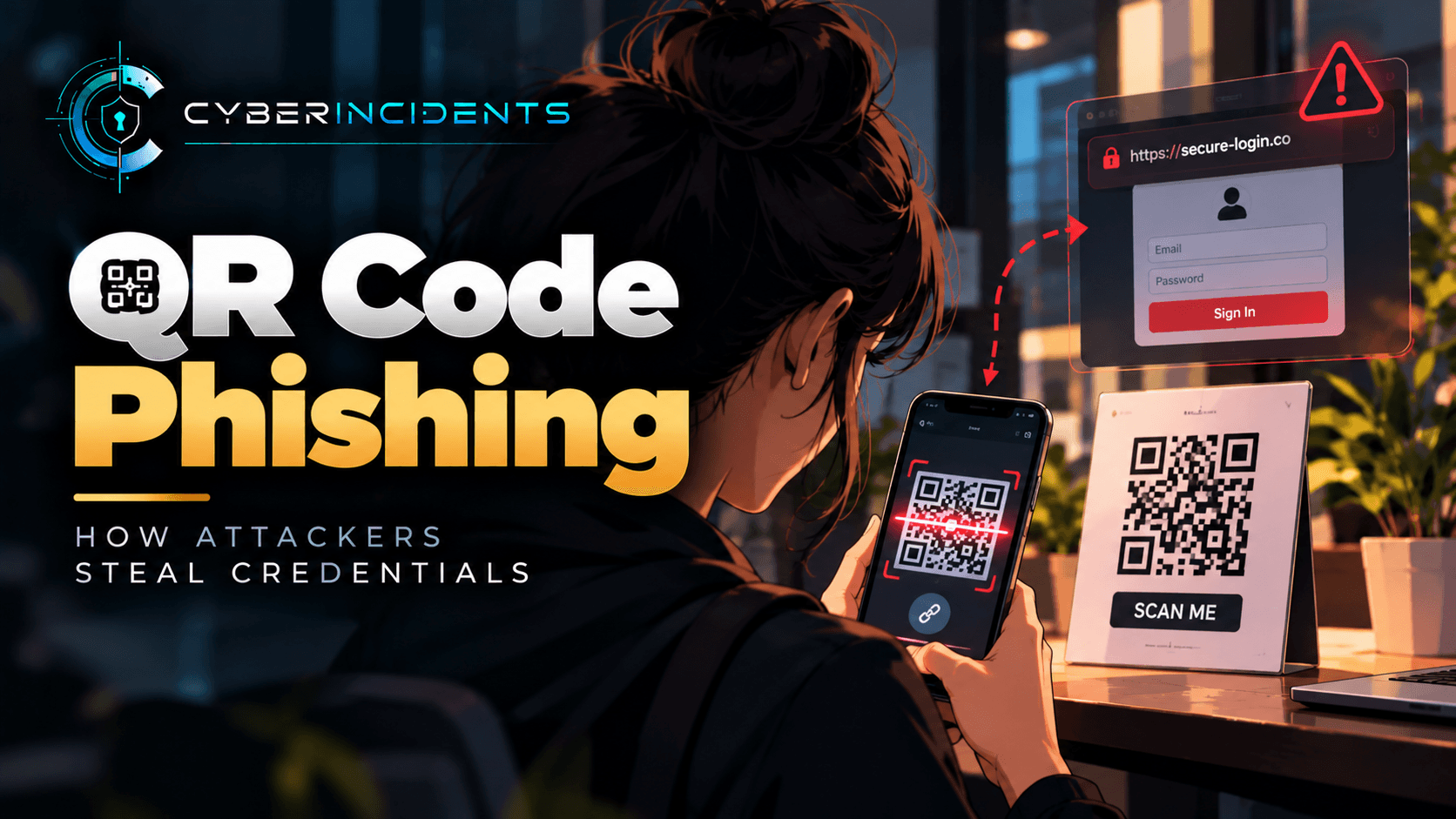
QR Code Phishing (Quishing): How Attackers Steal Credentials

QR code phishing, commonly known as quishing, is a social engineering attack in which cybercriminals use malicious QR codes to direct victims to fraudulent websites, steal login credentials, or encourage other unsafe actions. Attackers may embed QR codes in emails, PDF attachments, invoices, posters, or fake delivery notifications. Because QR codes conceal their destination until scanned, victims may be less likely to inspect the link before opening it. For SOC analysts, investigating quishing involves examining suspicious emails and attachments, analysing QR code destinations, correlating URL activity with identity logs, and determining whether users entered credentials or approved unexpected authentication requests.

Read More→
Business Email Compromise (BEC): Anatomy of a Real-World Attack
October 11, 202612 min read

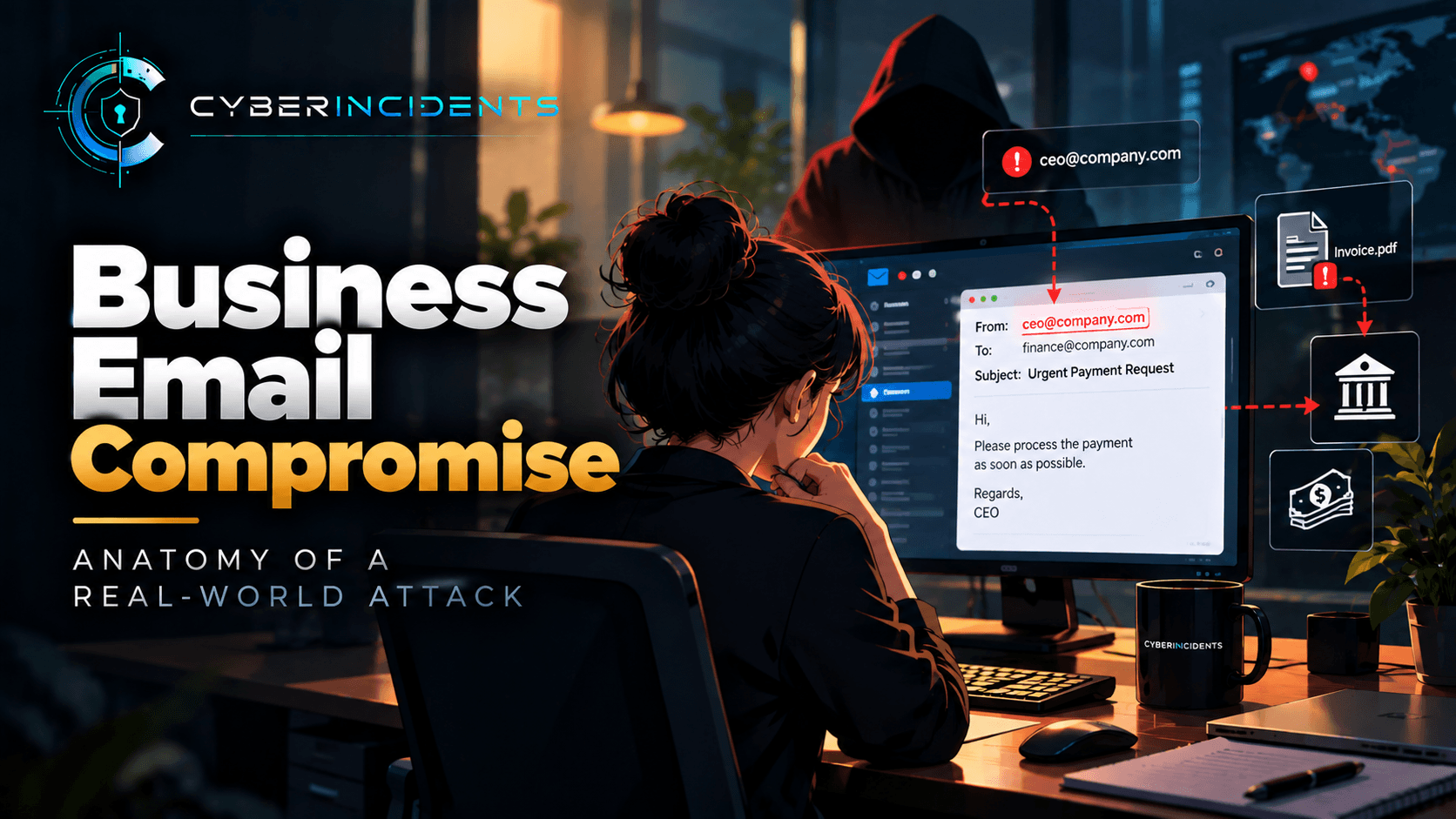
Business Email Compromise (BEC): Anatomy of a Real-World Attack

Business Email Compromise (BEC) is a targeted cybercrime in which attackers impersonate trusted business contacts or compromise legitimate email accounts to deceive employees into transferring money, disclosing sensitive information, or changing payment details. Unlike conventional phishing attacks that often deliver malware or steal passwords through fake login pages, BEC frequently relies on carefully timed messages, knowledge of business processes, and manipulation of trust. Attackers may impersonate executives, suppliers, lawyers, or finance personnel to make fraudulent requests appear legitimate. For SOC analysts, investigating BEC requires examining email headers, authentication results, mailbox rules, sign-in activity, supplier communications, and financial workflows. The objective is to identify the deception, determine whether an account was compromised, establish the financial and operational impact, and prevent further losses.

Read More→
OAuth Consent Phishing: Abusing Trusted Cloud Applications
October 11, 202612 min read

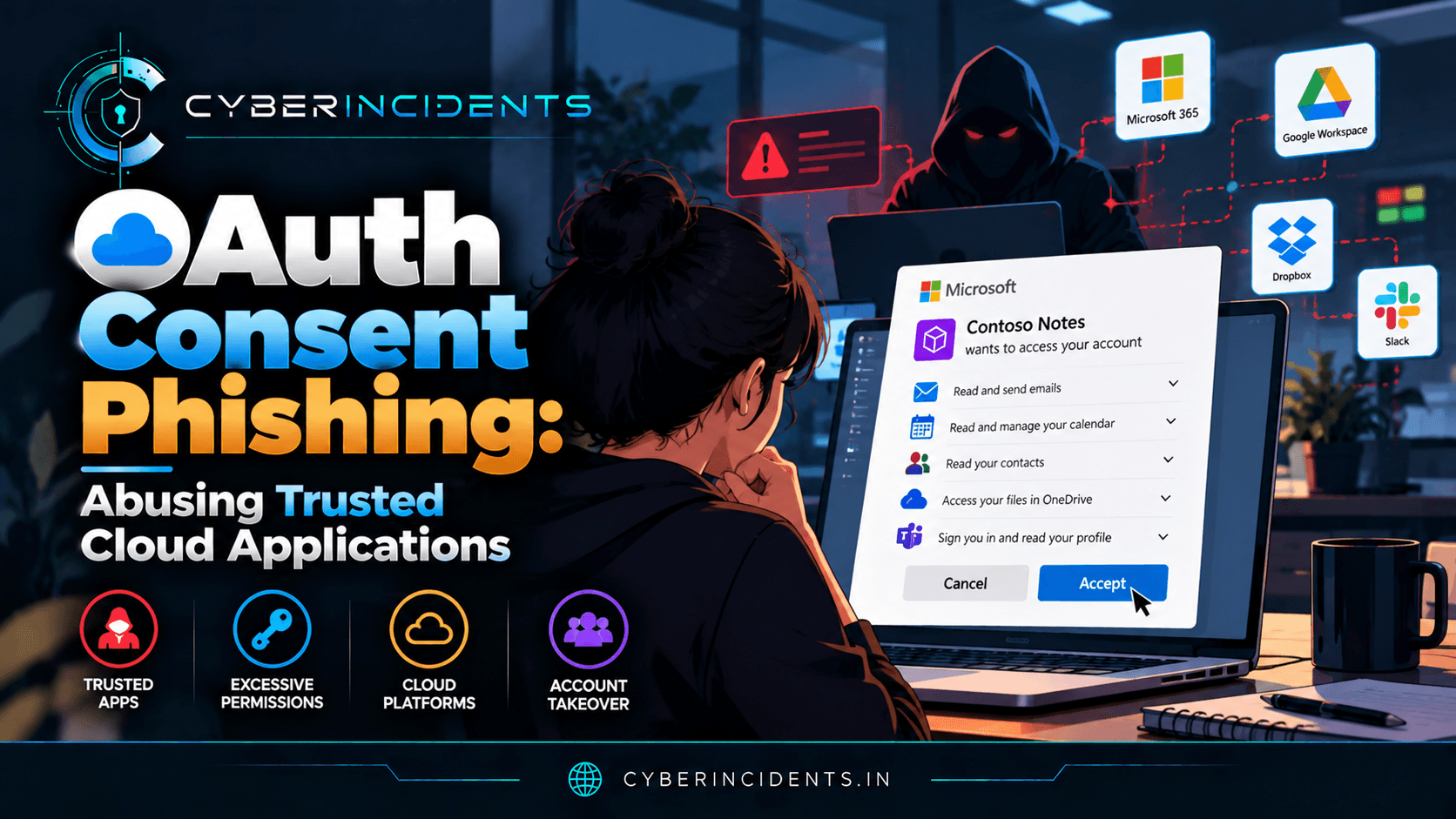
OAuth Consent Phishing: Abusing Trusted Cloud Applications

OAuth consent phishing is an identity-based attack in which cybercriminals trick users into granting a malicious application access to their cloud accounts and data. Instead of stealing a password directly, attackers abuse the legitimate authorisation process used by platforms such as Microsoft 365 and other cloud services. A victim may see a genuine-looking permissions screen and approve an application that requests access to email, files, profile information, or other resources. If the application receives sufficient permissions, an attacker may be able to access data through authorised APIs without repeatedly asking the victim for their password. For SOC analysts, investigating OAuth consent phishing requires monitoring application consent events, reviewing granted permissions, examining sign-in and API activity, and identifying suspicious applications or service principals.

Read More→
AI-Powered Phishing: How Generative AI Is Changing Cybercrime
October 11, 202612 min read

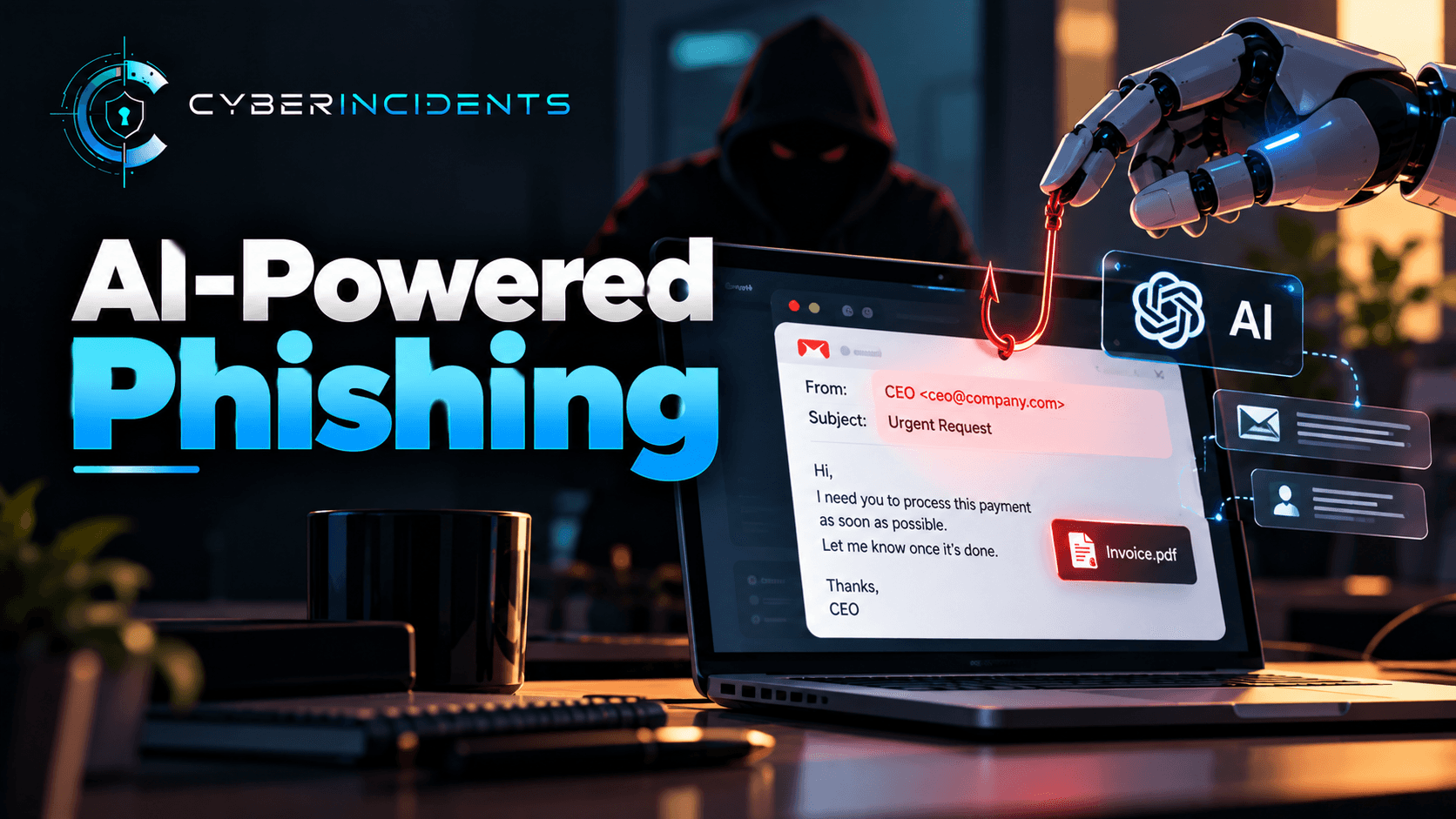
AI-Powered Phishing: How Generative AI Is Changing Cybercrime

Generative artificial intelligence is changing how cybercriminals create phishing campaigns. Attackers can use AI tools to produce convincing emails, imitate professional writing styles, translate messages into multiple languages, and personalise fraudulent communications at scale. Traditional phishing often relied on suspicious grammar, generic greetings, and obvious warning signs. AI-generated messages can eliminate many of these clues, making it harder for employees and security teams to distinguish malicious communications from legitimate business messages. For defenders, the challenge is no longer simply identifying poorly written emails. It is recognising suspicious intent, verifying requests through trusted channels, analysing email authentication and infrastructure, and detecting unusual behaviour across identity and endpoint systems.

Read More→
Tailgating and Physical Social Engineering in Corporate Environments
October 11, 202610 min read

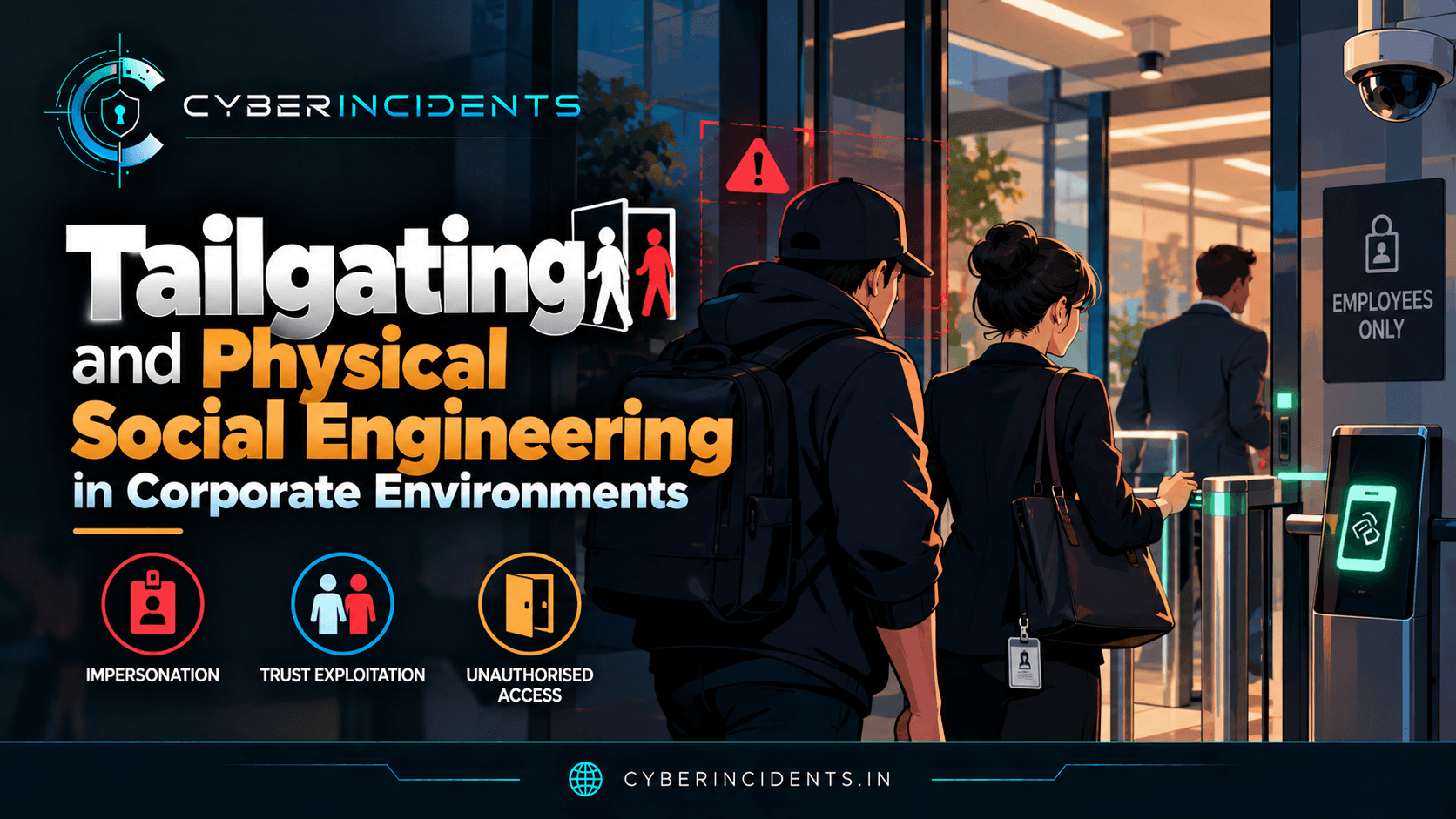
Tailgating and Physical Social Engineering in Corporate Environments

Tailgating is a physical security threat in which an unauthorised person enters a restricted area by following an authorised employee through a controlled entrance. It is often associated with physical social engineering, where attackers exploit trust, politeness, distractions, or workplace routines to bypass security controls. Unlike cyberattacks that target software or network infrastructure, physical social engineering targets people and the processes they follow. Successful entry can expose corporate devices, confidential documents, server rooms, and internal networks to unauthorised access. For organisations, preventing tailgating requires more than access cards and security cameras. It depends on employee awareness, visitor management, physical access controls, and a clear process for reporting suspicious activity.

Read More→